
Start With a Proper Roof Inspection Before Any Paint
Before buying paint, look closely at the roof in daylight and from a safe position. Check for rust, loose fasteners, cracked cement sheets, chalking old paint, water staining, moss growth and lifted laps on metal sheeting. If you are in Korsten, Walmer or anywhere near the Gqeberha coast, salt in the air can speed up corrosion, so small defects matter more than people think.
It helps to note where the roof is hottest, where water sits after rain and whether there are leaks around screws, flashings, valleys and parapets. Paint will not fix a failed roof, so the structure must be sound first. If there is active leaking, treat that before coating or the finish will start peeling and blistering. A quick inspection now saves a second job later.
- Look for rust, cracks, flaking and powdery old paint.
- Check gutters, ridges, flashings and screw heads.
- Confirm there are no active leaks or damp patches.
- Note any mould, lichen or moss, especially in shaded areas.
Clean, Repair and Dry the Surface Properly
Roof paint grips best on a clean, dry and stable surface. Remove dirt, bird droppings, loose coating and any oily residue with suitable cleaning methods, then rinse well and allow the roof to dry fully. In humid areas such as Cape Town and coastal Gqeberha, drying time can be longer than expected, so do not rush the next step.
Repair damaged sections before coating. Tighten or replace loose fixings, seal small cracks with the correct filler or roof sealant, and replace badly rusted or broken parts where needed. Old paint that is badly flaking must be scraped back to a sound edge. On metal roofs, treat rust spots before priming. On cement or fibre-cement roofs, make sure the surface is firm, not dusty and not friable. If it sounds hollow or crumbles under pressure, it may need more than paint.
- Wash off dirt, dust and salt build-up.
- Remove all loose paint and failing sealant.
- Repair cracks, rust spots and leaking fasteners.
- Allow enough drying time before priming.
Choose the Right Colour for Heat, Light and Street View
Roof colour affects both appearance and heat gain. Lighter colours reflect more sunlight and can help reduce internal heat, which is useful for homes and warehouses with limited ventilation. Darker colours can suit certain building styles, but they absorb more heat and may show fading sooner in strong sun. In places like Sandton, Randburg and Bellville, where roofs often face long hours of sun, colour choice should be practical as well as neat.
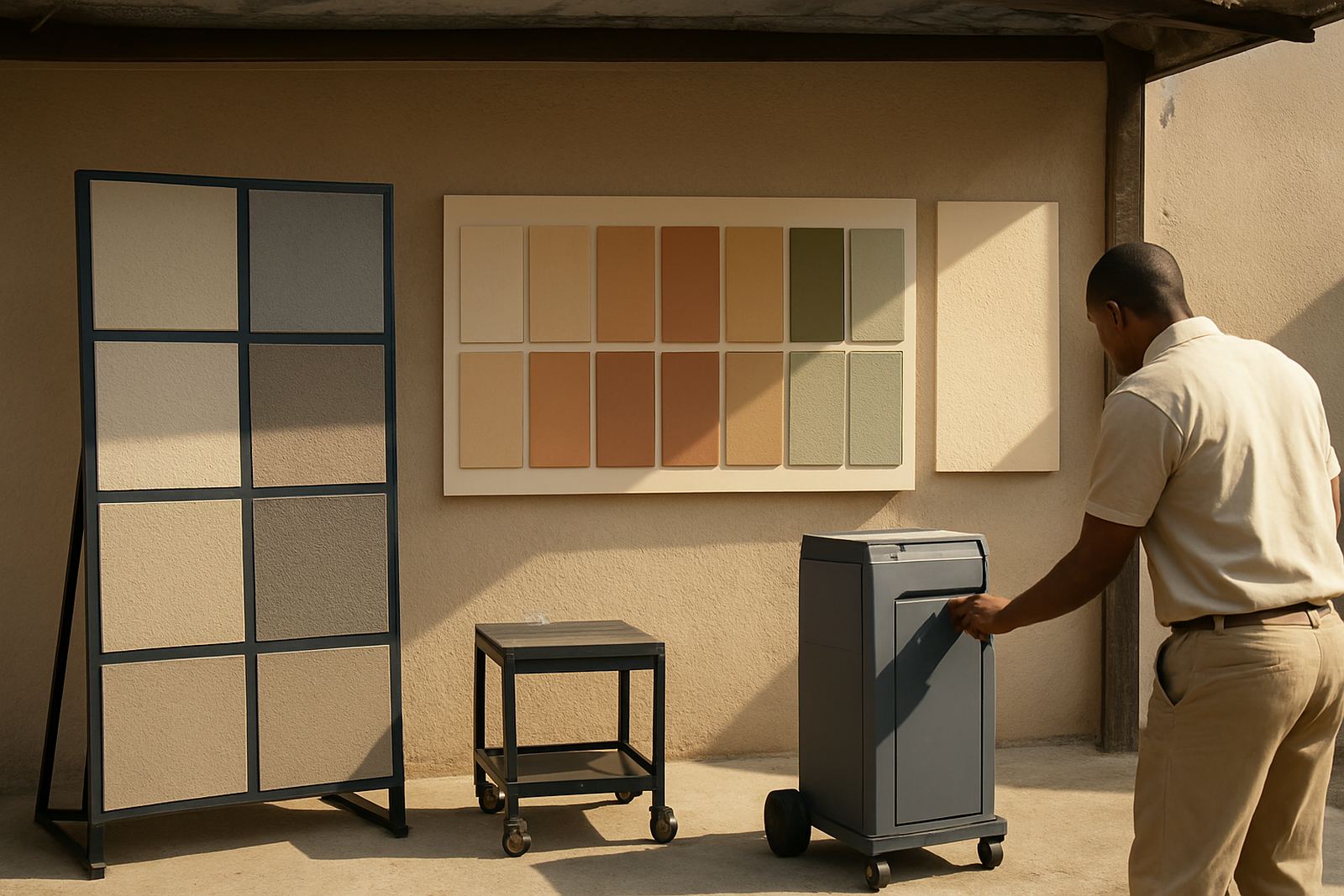
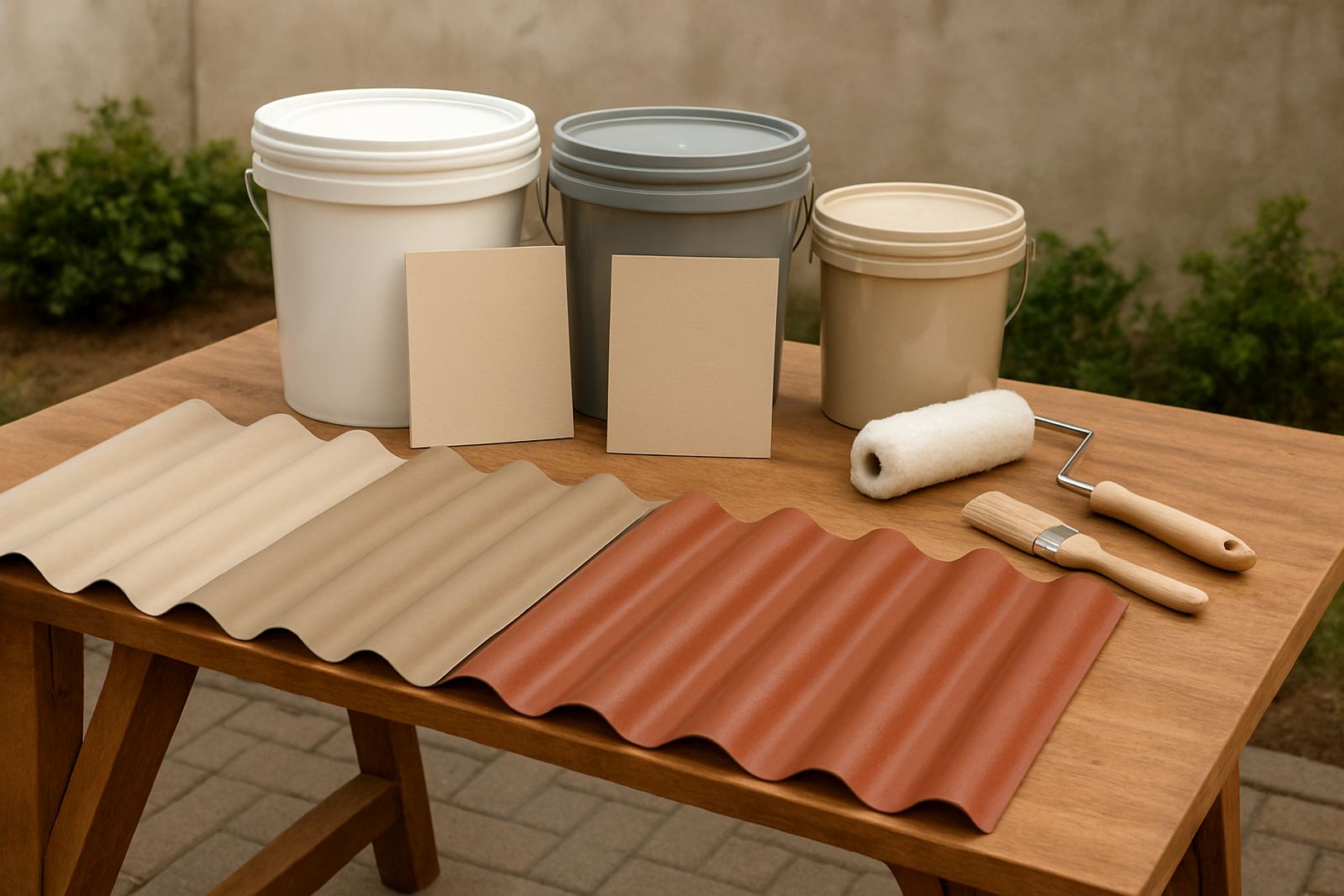
Think about the wall colour, gutters, fascia boards and the overall streetscape. A roof does not need to shout to look tidy. If you want a custom match, sample pots are worth the effort because colour on a small card can look different on an entire roof. Light grey, off-white, slate tones and muted earth shades are common choices for both homes and light commercial buildings. If your roof sits under trees or near busy roads, also consider how well the colour hides dust and staining.
- Choose lighter shades for heat reflection and cleaner looking maintenance.
- Check how the colour looks in full sun and morning shade.
- Use sample pots before committing to a full order.
- Match the roof to the walls and trim for a balanced finish.
Match the Coating to the Roof Material
Not every coating suits every roof. Metal sheeting, tiled roofs, cement roofs and asbestos cement roofs each need different preparation and product selection. A coating that works well on one surface may fail quickly on another if the primer, flexibility and adhesion are wrong. That is why product recommendations should always start with the actual roof material and condition.
For metal roofs, corrosion resistance and flexibility are key because the sheet expands and contracts with temperature changes. For concrete or tiled roofs, adhesion and resistance to chalking matter more. If the roof has old paint layers, test the condition of the existing coating before choosing a new system. In some cases, a wash and recoat is enough, while in other cases a full strip back is safer. For commercial sites, consider access, recoating intervals and whether the roof will need regular cleaning around plant equipment or gutters.
A good rule is simple: primer first if the surface calls for it, then the right finish coat, applied at the correct spreading rate. Too thin and the film will fail early, too thick and it can trap moisture. That balance matters on hot roofs across Gqeberha and Joburg alike.
Apply in the Right Weather Window
Roof painting works best in mild, dry weather with low wind. Avoid very hot midday conditions because paint can flash off too quickly, leaving lap marks and uneven coverage. Early morning and late afternoon can be better, but watch for dew and rising humidity. If rain is expected, rather wait. A rushed job on a damp roof will cost more later.
On larger roofs, plan the work in sections so wet edges stay workable. Keep a close eye on overspray, especially where neighbours, cars or paved areas are nearby. On steep roofs or buildings with multiple levels, use proper access equipment and follow safe working practice. Paint alone is only part of the job, the setup and timing matter just as much.
- Work in dry weather with low wind and manageable temperatures.
- Avoid painting over damp surfaces or when dew is likely.
- Cover nearby surfaces, vehicles and planting before starting.
- Keep a wet edge on larger spans to avoid patchy results.
Use a Simple Maintenance Plan After the Job
Once the roof is painted, keep it in good shape with a basic inspection at least twice a year. Check for ponding water, blocked gutters, lifted screws and new cracks after heavy rain or strong winds. Coastal properties may need extra attention because salt can shorten the life of exposed coatings if build-up is left too long.
Light cleaning with water and a soft brush can help remove dust and grime. Avoid harsh scrubbing that can wear down the finish. If a small chip or rust spot appears, deal with it early before it spreads. Repainting is always easier when the roof is caught in time. For contractors managing several properties, a simple maintenance schedule makes quoting and stock planning easier, and it helps avoid emergency call-backs.
- Inspect before winter and again after the rainy season.
- Clear gutters and downpipes so water does not sit on the roof.
- Touch up small damaged spots as soon as they appear.
- Keep records of the product used and the date applied.
When to Ask for Help With Matching or Quantities
If you are unsure about colour, sheen, primer choice or how much paint to order, get advice before starting. Sample pot mixing helps with testing, while bulk quantity planning prevents costly shortages on bigger roofs. Contractors also benefit from order support when jobs are split across several sites or branches, especially between Gqeberha, Joburg and Cape Town.
Repaint troubleshooting is useful when an older roof coating is peeling, fading or not curing correctly. Sometimes the issue is surface prep, sometimes it is product compatibility. A clear assessment can save time and reduce waste. For trade buyers and homeowners alike, the best result usually comes from matching the coating to the roof, the climate and the condition of the surface, not just choosing the nearest colour. If in doubt, ask before the first coat goes on, it saves a lot of grief.