
Why heat matters
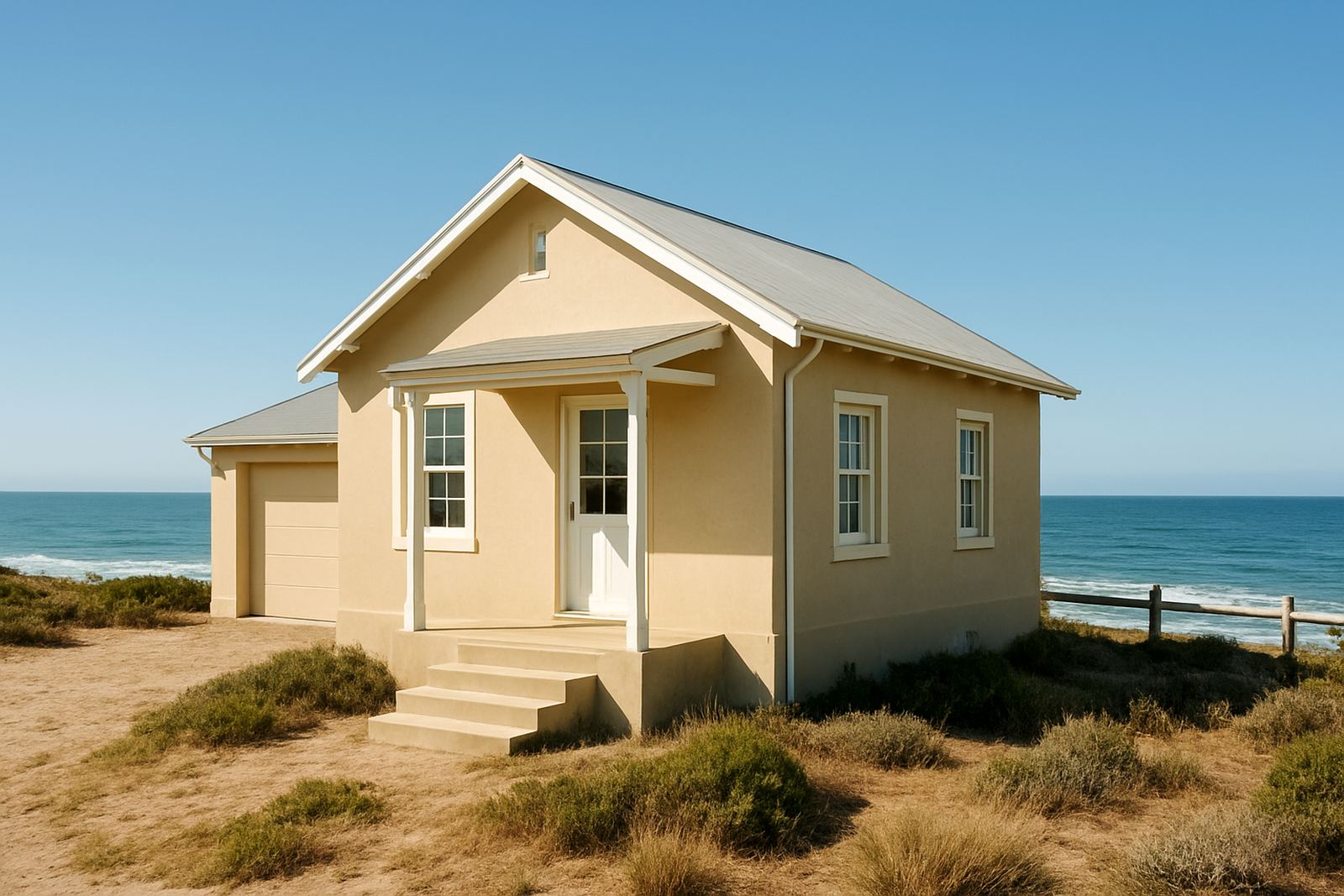
Paint needs time to flow out and bond to the surface before it dries. On a hot, dry day, water based paint can skin over in minutes, especially on a wall that has been sitting in full sun. That leads to lap marks where wet and dry paint overlap, poor adhesion and, on very hot surfaces, small blisters. Most paint tins give a maximum temperature for application, and on a Highveld or Karoo afternoon a north facing wall can be well above it.
Pick the right time of day
Start early in the morning when walls are cool and stop before the sun reaches them. Then move to the walls that have gone into shade in the afternoon.
- East walls: paint in the afternoon once the sun has moved off
- West walls: paint in the morning
- North walls: early morning or late afternoon only
- South walls: usually the easiest in summer
Avoid painting just before an afternoon thunderstorm. Rain on fresh exterior paint can wash it out or leave spots.
Prepare and keep the edge wet
Clean the wall, fill cracks and let fillers dry fully. Dampen very porous surfaces lightly if the product allows. Work in manageable sections from one corner to a natural break such as a downpipe or window, always keeping a wet edge. Keep the tin out of the sun and close it between refills so the paint does not thicken.
Indoors in summer
Inside the house heat is less of a problem, but fast airflow from fans and open windows can still speed up drying. Close windows on the wall you are painting, paint in the cooler part of the day and leave ventilation for once the coat is on. Allow the full recoat time on the tin, even if the surface feels dry sooner.
Ask us before you start
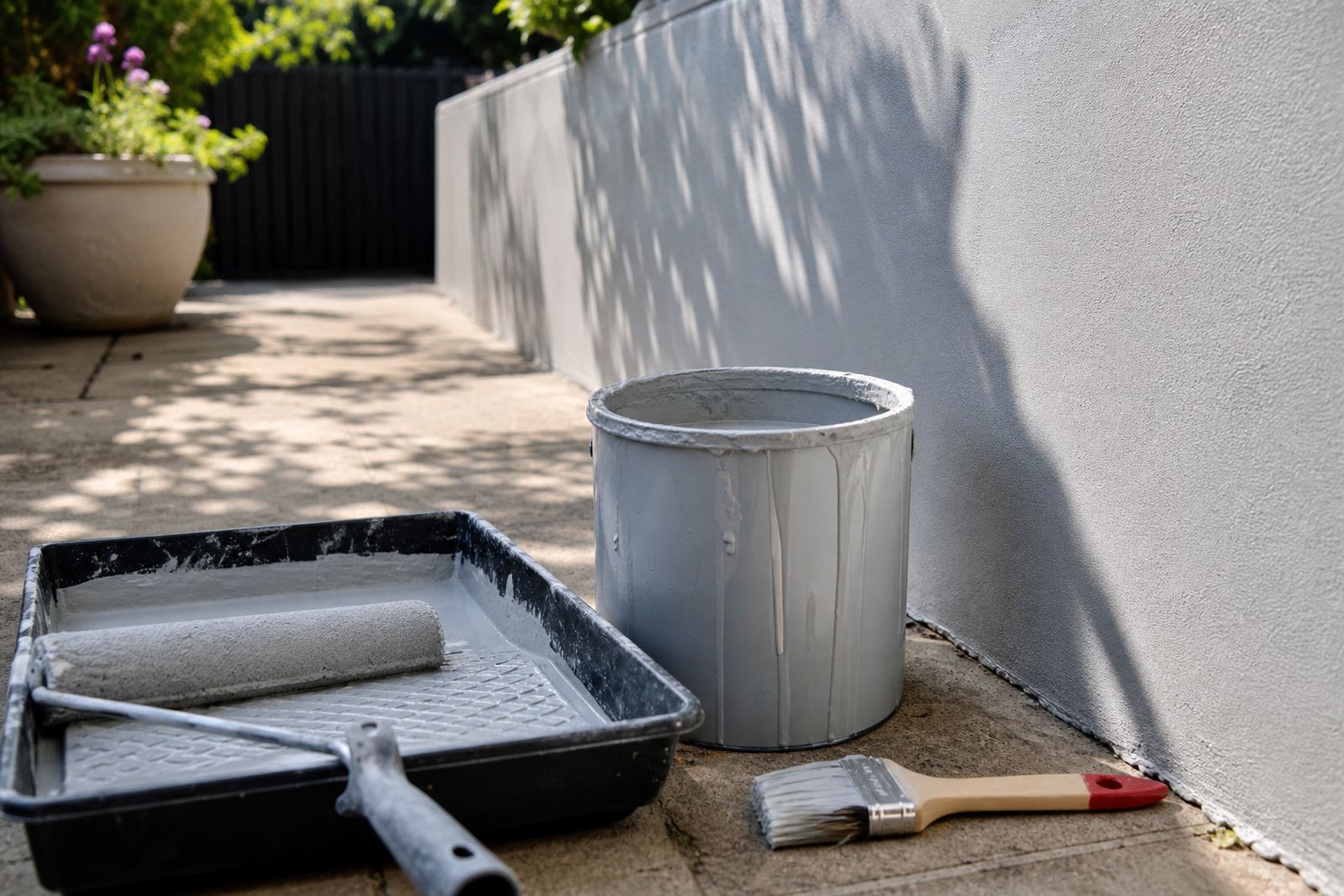
Bring in a colour chip or a photo and tell us which walls you are painting. We will mix the colour, suggest a primer if needed and work out how much paint you will need for two coats. Our staff can also recommend rollers and brushes that suit textured exterior walls.